CK FOUNDATION Initiatives
Creative Knowledge Foundation develops and supports initiatives that apply its methodologies and digital framework to specific cultural heritage communities — connecting local knowledge keepers to wider national and international networks.
Most CK Foundation initiatives operate within the UNESCO Creative Cities Network, translating the declarations of Paducah and San Cristóbal de Las Casas into concrete, cross-cluster projects that connect cities across creative disciplines, geographies, and cultural traditions.
BREADS of the CREATIVE CITIES (BoCC)
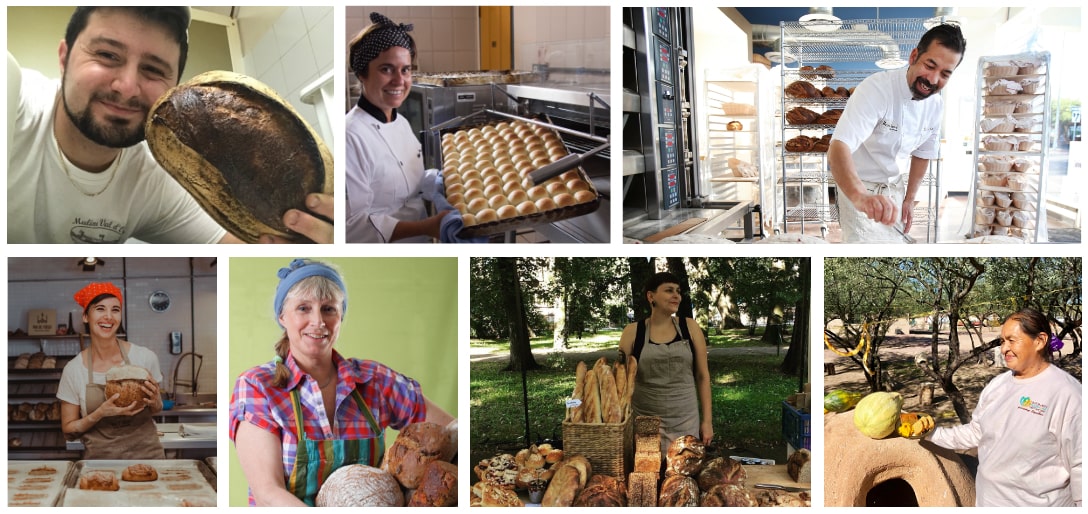
The Breads of the Creative Cities (BoCC) is the first all-inclusive, cross-cluster project of the UNESCO Creative Cities Network — and the longest-running initiative supported by CK Foundation. Launched in 2018 in partnership with Tucson, UNESCO Creative City of Gastronomy, BoCC documents and celebrates breadmaking traditions as living expressions of community identity and cultural heritage.
The project is built on a simple definition: a bread is a culturally significant staple food — made from local flour and water — that embodies the heritage and values of its community. Within this framework, BoCC has connected 67 UNESCO Creative Cities across 5 continents, documenting the stories of local bakers, millers, and farmers as Knowledge Keepers of their territory’s food culture.
Now in its 6th edition, the project publishes an annual volume collecting Knowledge Keepers’ stories and traditional bread recipes from participating cities.
BoCC also promotes the BoCC Meeting format — live exchanges between bakers from different UNESCO Creative Cities across the USA, Europe, and Australia — turning documentation into active dialogue between communities.
Recognised at the XIII UCCN Annual Conference in Fabriano (2019) as one of the most significant inclusive and cross-cluster UCCN projects, BoCC was acknowledged as UCCN Best Practice at the XVII Annual Conference in Enghien-les-Bains (2025) and presented at the UNESCO Food Atlas Workshop in Paris (2025) alongside FAO, UNWTO, and Slow Food.
The project has inspired a growing family of related initiatives: Breads from the Creative Cities — recognised by UNESCO among the Cities’ Response to Covid-19; Le Rotte del Pane with the Nave Vespucci; Bread Between Us in Saudi Arabia; and La Tradición del Pan de Maíz in Mérida and the Yucatán Peninsula.
BREADS BETWEEN US
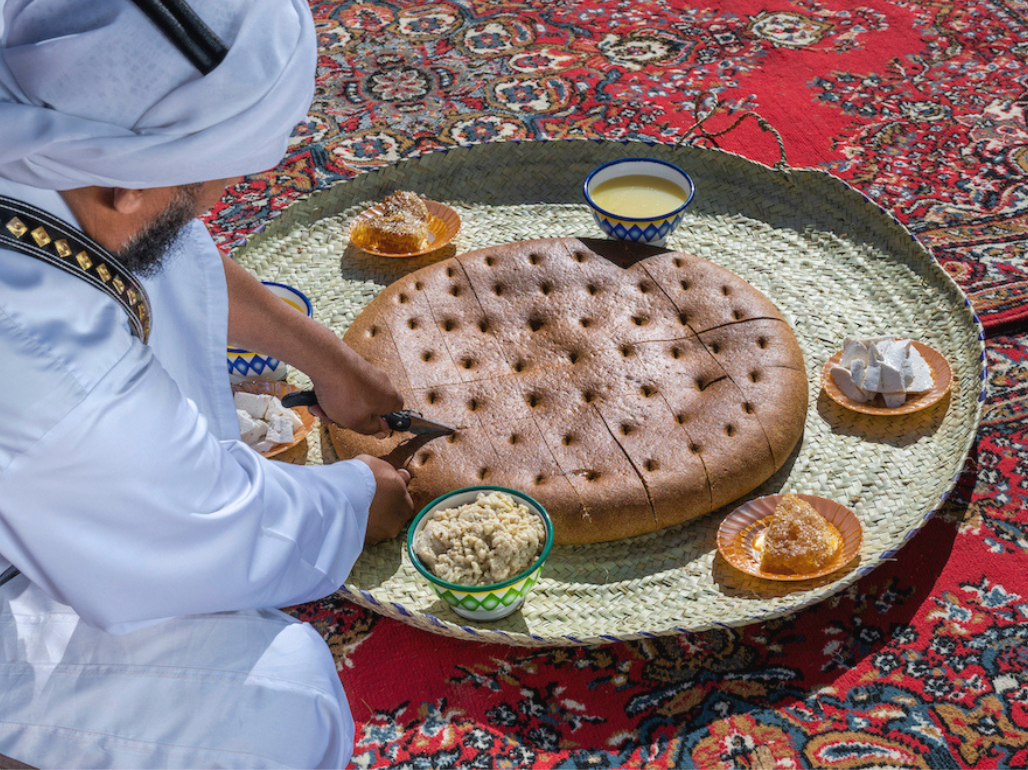
“Breads Between Us – بيناتنا خبز” is a project developed in Saudi Arabia by the Archi.Media Trust in collaboration with Koor Benefit Corporation, the Culinary Arts Commission, and the Ministry of Culture of the Kingdom of Saudi Arabia, with the support of the Creative Knowledge Foundation. Conceived as an “archaeology of memory”, the initiative explores the diverse breadmaking traditions of seven Saudi cities — Al-Ahsa, Buraydah, Jeddah, Jazan, Madinah, Riyadh, and Taif.
Through field research, storytelling, and documentation, the project traces how bread knowledge traveled along ancient caravan routes, such as the Hajj Routes, the Incense Routes, and the Spice Routes, revealing centuries of exchange between external influences and indigenous Bedouin practices.
By collecting the voices of farmers, bakers, and knowledge keepers, Breads Between Us builds a living archive that celebrates Saudi Arabia’s agricultural heritage and its enduring connection to wheat cultivation and breadmaking. The project also connects traditional knowledge to contemporary questions of sustainable development, food security, and climate adaptation.
Artisanal Cheeses of Bergamo and the Orobic Valleys
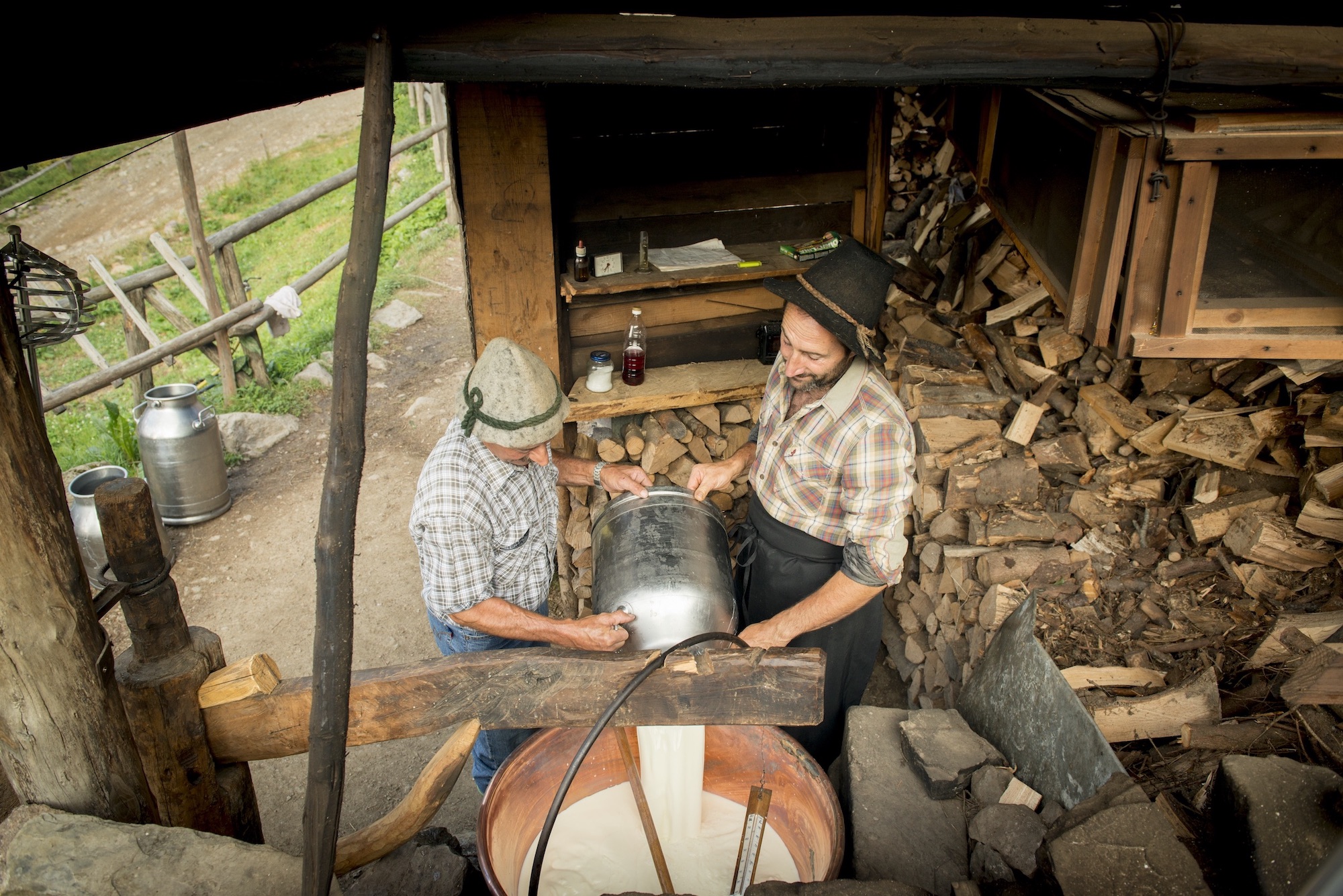
For thousands of years, communities in the Orobic Valleys — shared between the Italian Provinces of Bergamo, Lecco, and Sondrio — have built their economy on the sustainable use of natural resources and livestock, producing seven distinctive artisanal cheeses: the Principi Orobici (Agrì Valtorta, Formaggio Tipico Branzi, Formaggio di Capra Orobica, Formai de Mut, Bitto Storico Ribelle, Stracchino all’Antica delle Valli Orobiche, Strachìtunt DOP).
Using the Creative Knowledge Platform to document the stories of the Knowledge Keepers across the cheesemaking value chain, CK Foundation produced the interactive bilingual book The Cheese Valleys: The Birthplace of the Orobic Cheesemaking Tradition, one cultural itinerary, and seven booklets — one per cheese — that contributed to Bergamo’s designation as a UNESCO Creative City of Gastronomy in 2019.
Phase 2 has expanded and updated this documentation with new research, photography, and narratives deepening the connection between people, landscape, and tradition. It has also strengthened collaboration between local producers, institutions, and the UCCN, promoting the Cheese Valleys as a living model of cultural sustainability and community resilience.
IN SUPPORT OF PORTOVIEJO, UNESCO CREATIVE CITY OF GASTRONOMY
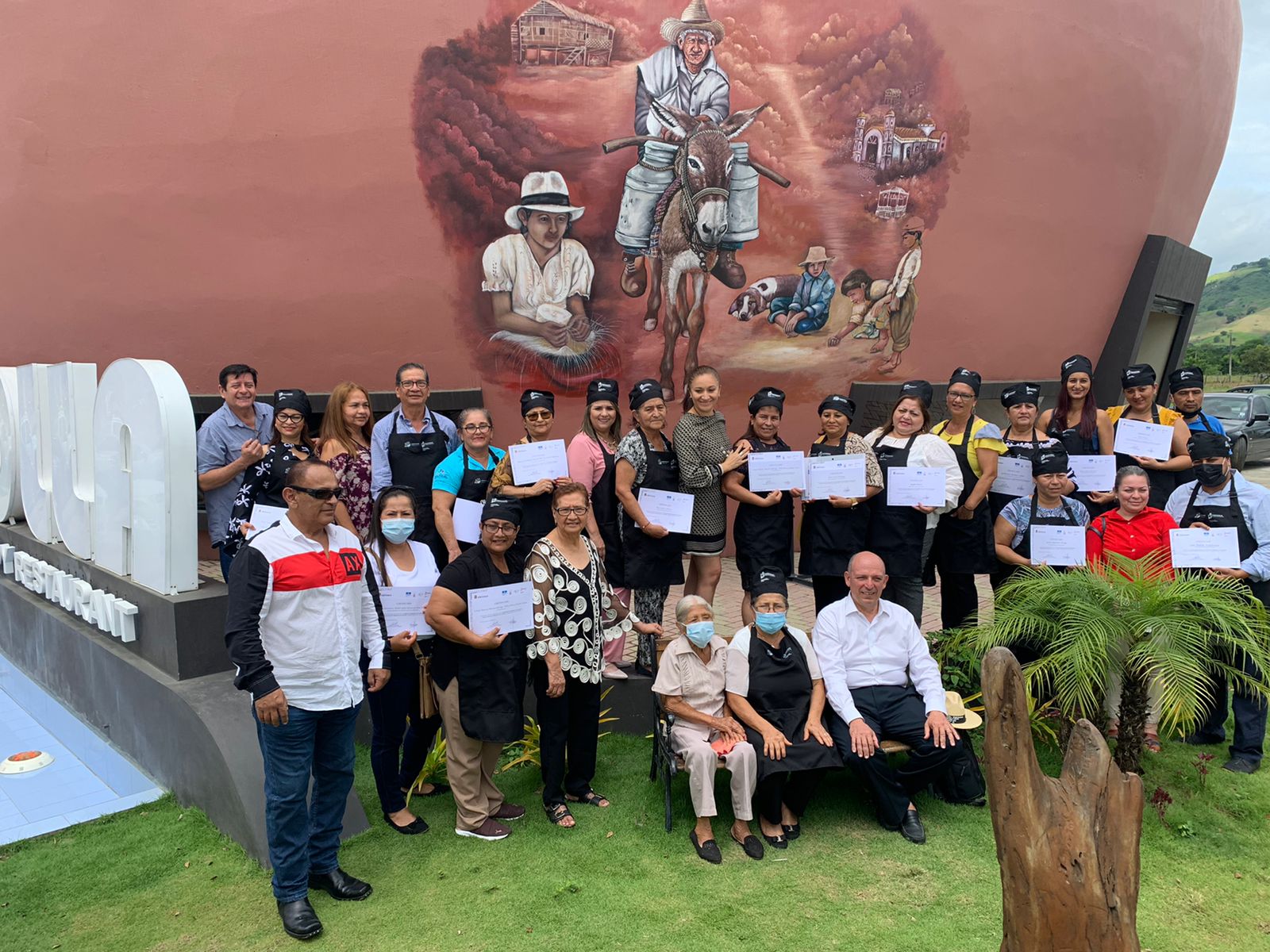
In collaboration with the Municipality of Portoviejo and the University of Manabí, CK Foundation is supporting the development of a long-term heritage and development plan for this Ecuadorian region — a UNESCO Creative City of Gastronomy.
The project applies the CK Foundation operational format across four phases: mapping the territory and its Knowledge Keepers; heri-telling and field documentation through the Creative Knowledge Platform; learning-by-doing and intergenerational transmission; and sustainable development models for the local economy. The framework aligns with the Faro Convention and the UN 2030 Sustainable Development Goals.
The long-term vision includes restoring an ancient building damaged in the 2016 earthquake and creating an innovative gastronomic laboratory where students, chefs, and farmers can work together to keep the ancient culinary traditions of the region alive.
CREATIVE PATTERNS, COMO UNESCO CREATIVE CITY
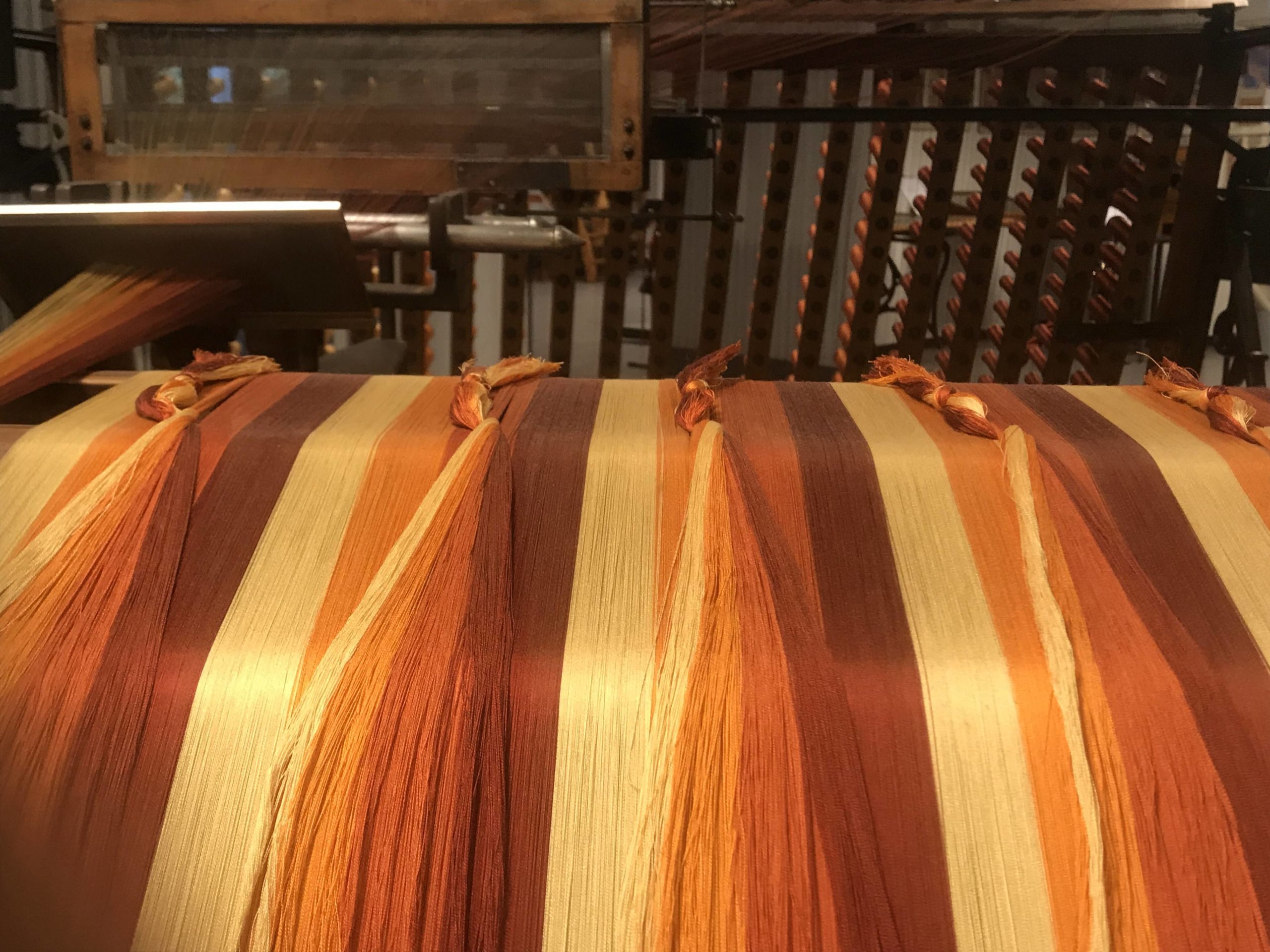
Creative Patterns is a multi-cluster project promoted by Como — UNESCO Creative City of Crafts & Folk Art — with the support of CK Foundation. Textile artisans, designers, students, and creative professionals from UNESCO Creative Cities across all clusters collaborate to design and produce objects — clothes, soft furnishings, designer pieces — that combine shared traditional skills, folkloric influences, and innovative technologies. In collaboration with the Silk Museum and local social cooperatives, the project also launches educational workshops bringing children into the world of crafts and textiles, and initiatives supporting the most vulnerable groups in the community. Starting from the Silk Road and the Spice Routes, Creative Patterns fosters creative cross-contamination between peoples and cultures — first within the Crafts & Folk Art and Gastronomy clusters, then expanding to all UCCN clusters.
VOYAGE OF THE DRUM
“Drumming is the most primal expression of music that’s been with us since prehistory so I think it’s a great platform to work from. […] Every city will have a drumming story”
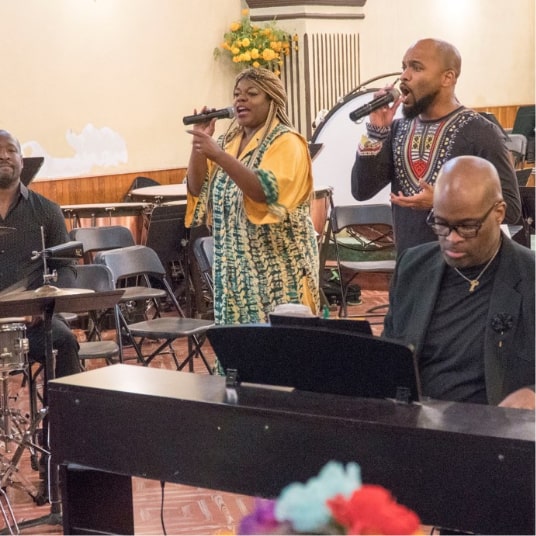
Announced by Kansas City, UNESCO Creative City of Music at the UCCN XIII Annual conference in Fabriano (June 2019, Italy), this project focuses on the cultural heritage and creativity of the drum – recognized as both historic and contemporary musical heritage, and as vehicle for cultural expression and resistance to racism and inequality.
The Creative Knowledge Platform will be used narrate the stories of the drum in each city: from the beat unique to each culture, to the history and literature of that tradition, to the crafting of the instrument itself — an essential element of many indigenous cultures — and the performances of musicians and composers who use the drum to express their heritage.
CRAFTS & FOLK ART WEBSITE
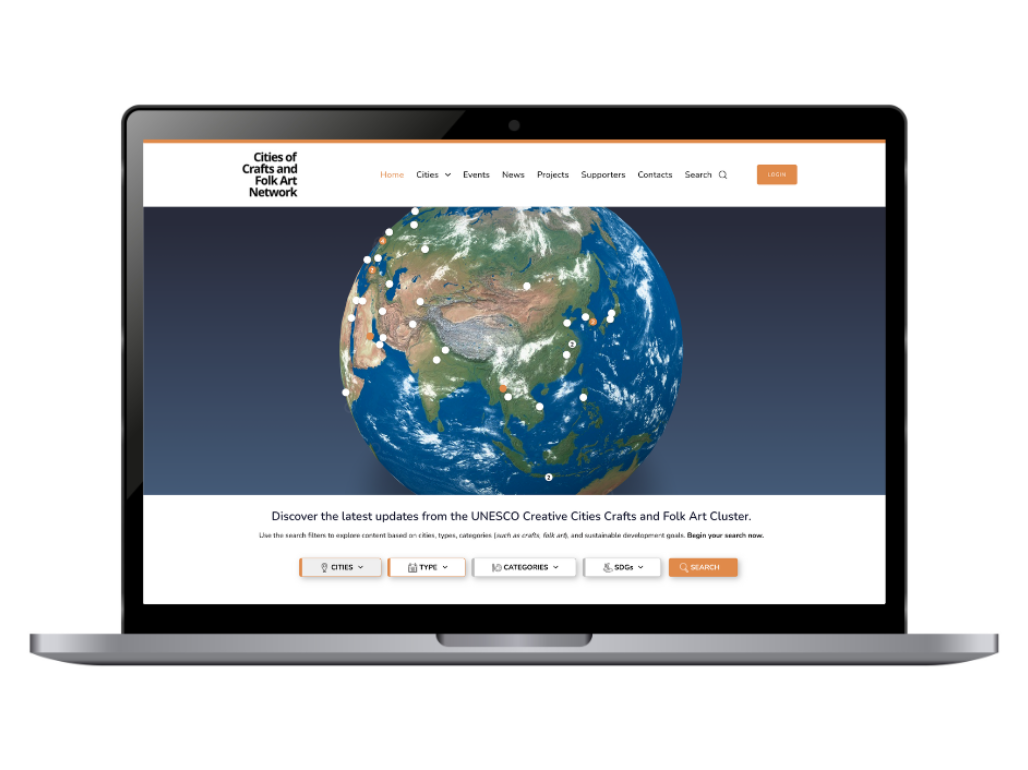
The Crafts & Folk Art Cluster Website is a project conceived and coordinated by the Creative Knowledge Foundation to enhance visibility, cooperation, and knowledge exchange among the UNESCO Creative Cities of Crafts & Folk Art. It represents a dedicated digital hub showcasing the richness and diversity of creative expressions within the Cluster.
Cities participate at three levels, presenting their local heritage, creative actors, and distinctive crafts through multimedia formats. Each city page is integrated with the Creative Knowledge Platform, a heri-telling tool designed to highlight People, Products, and Places at the heart of each city’s creative ecosystem.
The platform fosters collaboration, supports the internationalization of local economies, and promotes sustainability, cultural diversity, and innovation in line with the UCCN mission.
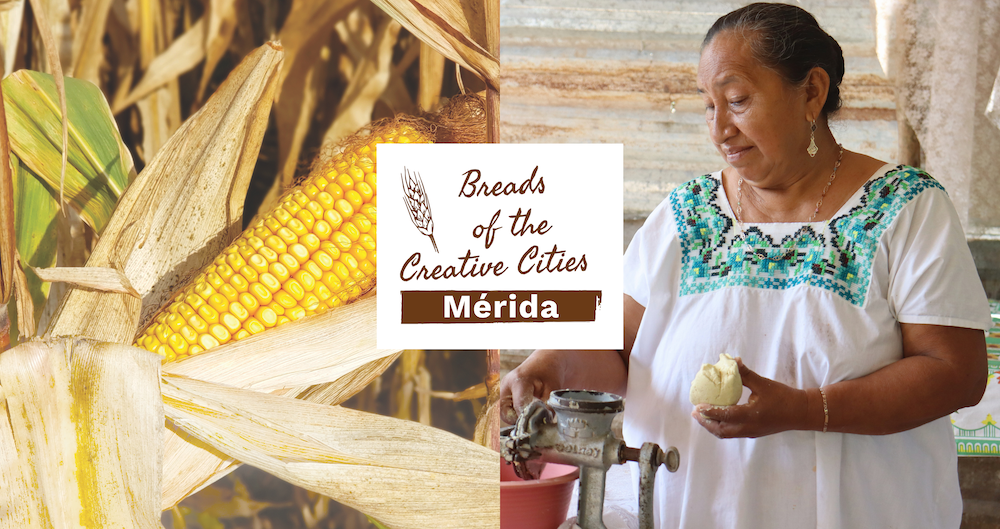
BREADS OF THE CREATIVE CITIES – LA TRADICIÓN DEL PAN DE MAÍZ EN MÉRIDA Y YUCATÁN
La Tradición del Pan de Maíz en Mérida y Yucatán is a project developed in close collaboration with Mérida, UNESCO Creative City of Gastronomy, and the Creative Knowledge Foundation as part of the Breads of the Creative Cities program. It documents and shares the traditional knowledge behind tortillas, tamales, and ceremonial breads — foods that are not only daily staples, but powerful cultural symbols of the Yucatán Peninsula.
Through a participatory methodology, the project gathers the voices of farmers, seed guardians, millers, vendors, and bakers, creating a bilingual documentation of local identity and ancestral memory.
Outputs include a bilingual booklet, a digital collection on the Creative Knowledge Platform, and multimedia storytelling tools – maps, interviews, and geo-localized QR codes – with ethical documentation practices that keep knowledge holders as the primary narrators.
HANDS AT WORK 2021
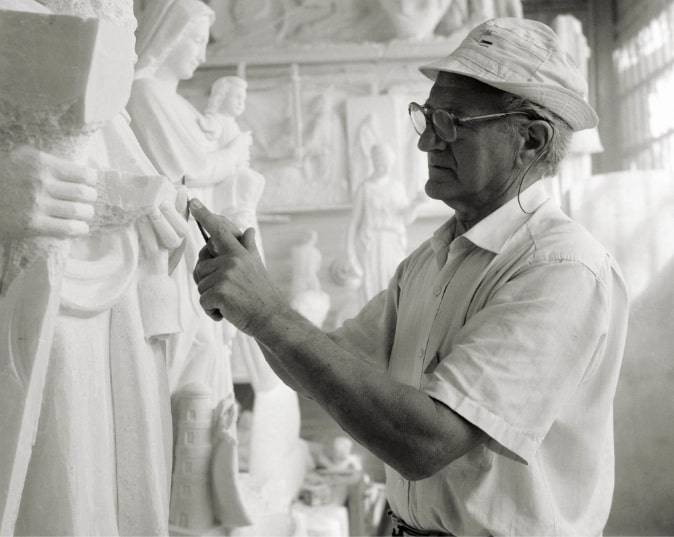
Hands at Work 2021 builds on the heritage of the Carrara marble tradition to support the artists and artisans of a territory of outstanding cultural and natural significance. The project centers on a close collaboration between practitioners working with Carrara marble and the local community, across three phases. Phase 1 produced nine video portraits of local artists and artisans, one cultural itinerary, and individual profiles on the Creative Knowledge Platform. Phase 2 opened participation to all artists and artisans in the Carrara region, collecting their voices and experiences through the Creative Knowledge Platform as the basis for the Declaration of Carrara on the Role of Artists and Artisans — a document signed by the Italian UNESCO Creative Cities of Crafts & Folk Art at the first Creativity Forum in Carrara (September 2021).
Phase 3, launched at the Creativity Forum: Carrara for the Creative Cities (September 2021), issued an international call to all UNESCO Creative Cities sharing traditional stone-working knowledge. The forum also presented the Carrara Charter — guidelines for the regeneration and sustainable development of urban centers through cultural heritage.

VOYAGE OF INGREDIENTS
The Voyage of Ingredients is an international project that maps how ingredients, techniques, and culinary traditions have travelled, evolved, and intertwined across continents. It traces ancient and colonial-era trade routes — the Silk Road, spice routes, and transatlantic exchanges — to reveal how food cultures merged and gave rise to new flavors, recipes, and traditions that continue to define global gastronomy.
Anchored in the principles of the UNESCO 2003 Convention for the Safeguarding of Intangible Cultural Heritage, the project uses the Creative Knowledge Platform to collect and share stories, practices, and knowledge about food heritage worldwide. The current phase involves Dénia (Spain), Gaziantep (Turkey), and seven Saudi cities — drawing on the experience of Breads Between Us — with collaborations along historic routes, a digital library of traditional ingredients and bread cultures, and educational programs fostering cross-continental research on sustainable gastronomy.
Propose a project
Creative Knowledge Foundation’s methodologies adapt to any cultural heritage context — gastronomy, crafts, textiles, music, agricultural knowledge, or any living tradition at risk of disappearing.
If you represent a community, a territory, a municipality, or an organisation with a heritage worth documenting and sharing, we want to hear from you. Tell us what you are working with — we will tell you how we can help.
Archived initiatives
LE ROTTE DEL PANE
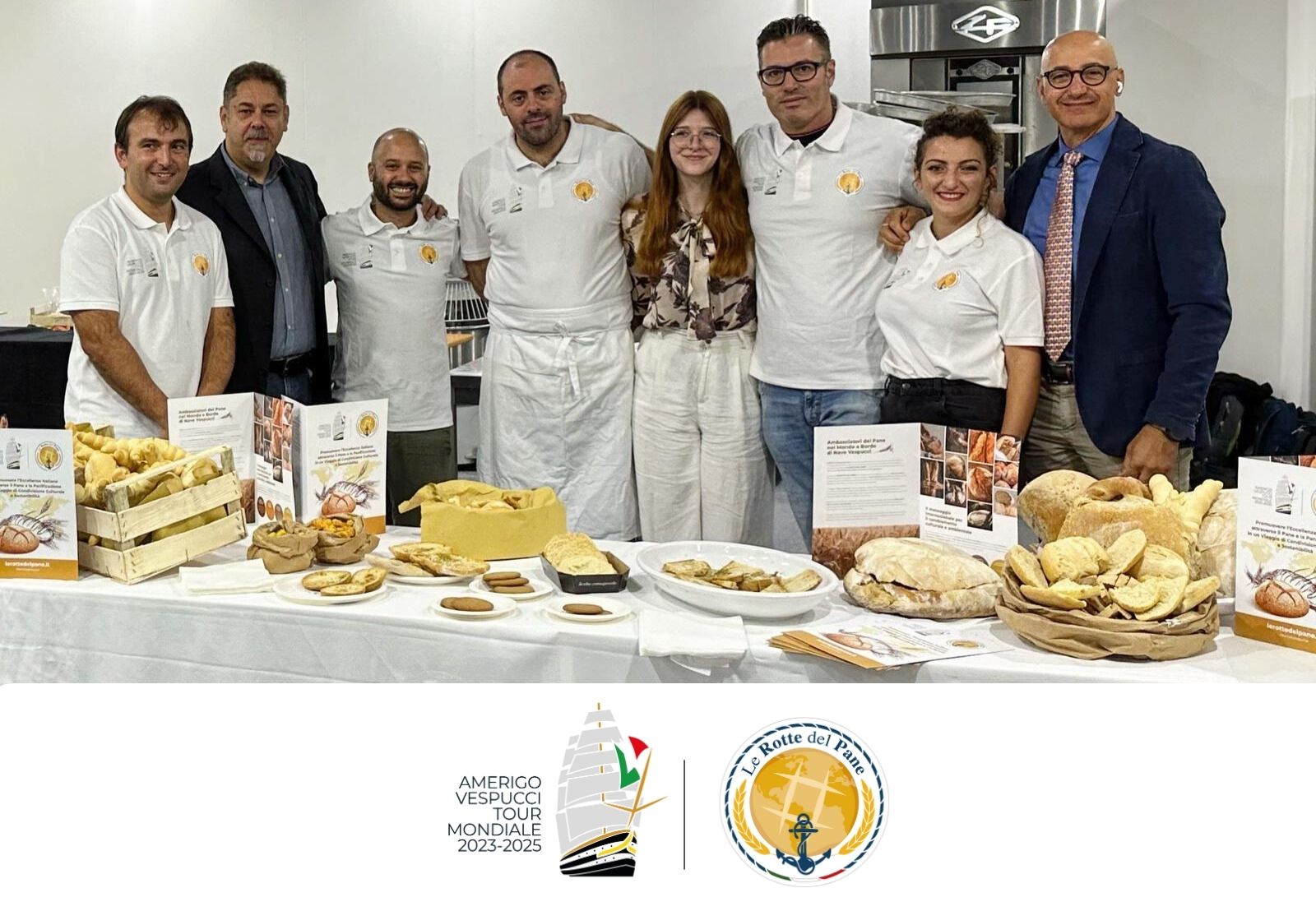
“Le Rotte del Pane” is a project, ideated by Koor srl Benefit Corporation, developed in coordination with the Italian Navy and in partnership with the Creative Knowledge Foundation and many other supporters.
The project aims to globally share and promote Italian excellence through bread and the baking process. In this context, the Amerigo Vespucci Ship will become an ambassador of traditional and creative Italian knowledge, hosting bread artisans from various Italian regions that will work alongside the ship’s kitchen staff. The ship will stop in 28 countries across the 5 continents, and during these stops in coordination with the Italian Navy there will be ship visits open to the public and institutional dinners organized with Italian embassies that will also involve the UNESCO Creative Cities Network.
During these events bakers on board of the ship will make fresh bread with a focus on eco-sustainability, quality, and the ancient and well-established Italian bread making traditions.
The objective is to set a concrete and tangible example of cultural exchange, inclusion, sharing of traditional knowledge, sustainability to better preserve the environment and promote health, for which Italy is the spokesman in the world. Thanks to the collaboration with the Creative Knowledge Foundation, which created and promoted the ‘Breads of the Creative Cities’ project for the UNESCO Creative Cities Network, “Le Rotte del Pane” project sheds light on the cultural significance of bread and how it serves as a unifying element among peoples
Breads from Creative
Cities (BfCC)
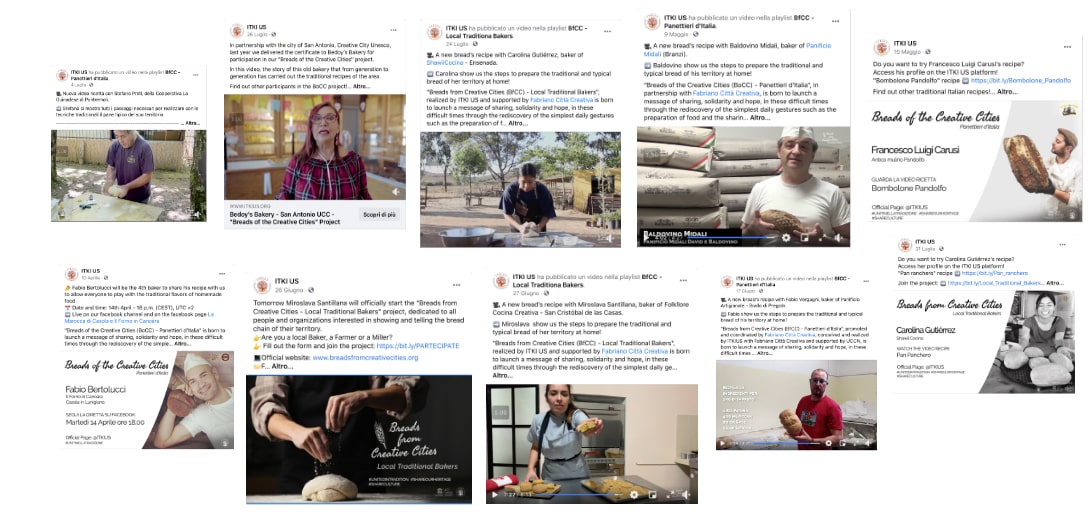
Breads from Creative Cities (BfCC) – Panettieri d’Italia began in 2020 as a special edition of Breads of the Creative Cities (BoCC), launched by Fabriano (UNESCO Creative City of Folk Art and Crafts) — in response to the Covid-19 pandemic. Officially recognized by UNESCO as a Cities’ Response to Covid-19, BfCC brought together local Italian bakers to share traditional bread recipes and cultural stories during the lockdown.
The initiative evolved into an open global platform allowing bakers, farmers, and millers worldwide to document and share the story of their territory’s traditional bread through the Creative Knowledge Platform.
IN SUPPORT OF PARRHASIAN HERITAGE PARK
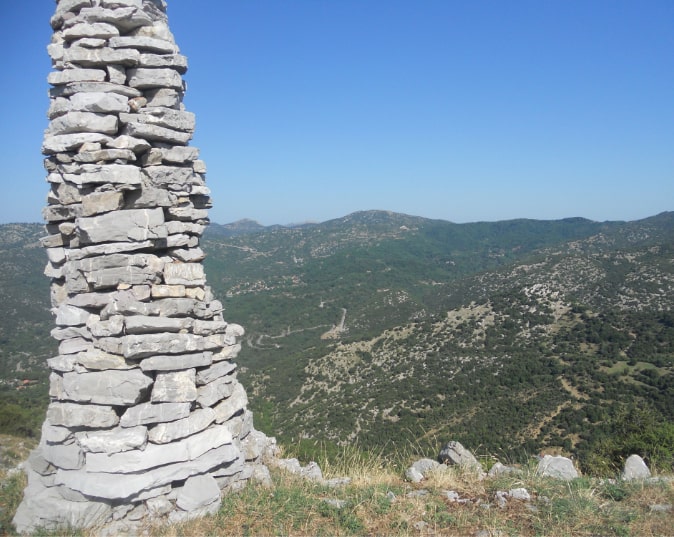
The goal of the proposed Parrhasian Heritage Park (PHP), Greece is to sustain an area of cultural significance, outstanding natural beauty and rich archaeological site while encouraging local communities to continue living and working within the protected landscape.
Together with local research centers, universities, non-profit organizations, the civil society and volunteers CK Foundation has joined the project and contributes to its effort with the Creative Knowledge Platform, which is used to describe the TK systems of the local communities within the area of Arcadia, Elis and Messenia.
Stories of the local Knowledge Keepers and their unique knowledge and expertise will be narrated through websites and multimedia platforms to engage park visitors and residents alike in understanding and appreciating the uniqueness of the area.
HISTORIC LANDSCAPE AND SOIL SUSTAINABILITY
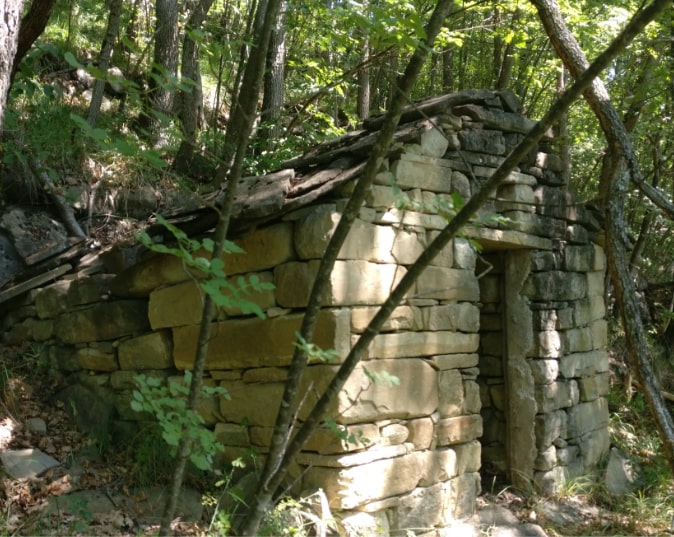
Historic agricultural practices have played a dominant role in shaping landscapes, creating a heritage that must be understood and preserved from a point of view of sustainable development.
A multidisciplinary approach that combines landscape archaeology, historical studies, geosciences, and computer-based geospatial analysis and modeling will be used to understand long-term landscape change.
CK Foundation will contribute to the efforts of this project with the Creative Knowledge Platform (CKP) used to publish periodic updates of the project in plain language and to convey a message on the importance of environmental sustainability and awareness on heritage conservation to a broader general audience.
Hands at work 2017
This project initiated to support the candidature of Carrara into the UNESCO Creative Cities Network for the cluster Crafts and Folk Art in 2017.
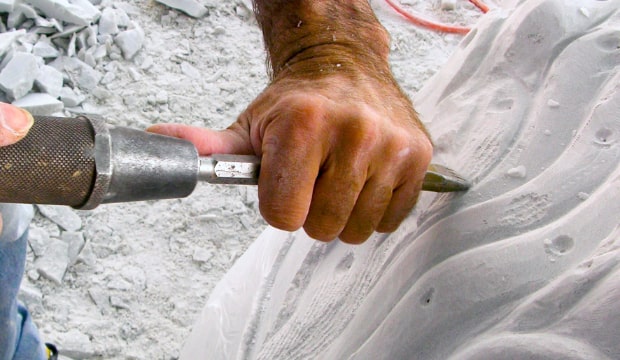
It bears witness to the creativity of quarrying and working the white marble since ancient times, and transforming it into a whole range of products in the field of art, architecture and design.
In the book “Hands at work: Carrara Marble” that accompanied the candidature, the Creative Knowledge Platform was used to highlight three artists that have been working with Carrara marble, and to describe many of the creative and practical steps they went through to make a fine piece of artwork from an unrefined block of marble.
CREATIVE TEXTILE
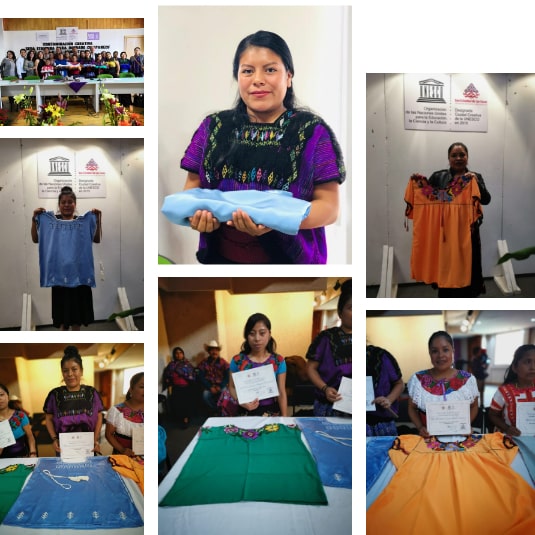
The Creative Textile Events are exemplary applications of the Declaration of San Cristobal de Las Casas (2018) that has defined a method to exchange knowledge and traditions in complete respect of local and indigenous cultures.
On April 3, 2019 in San Cristobal de Las Casas five pieces of silk fabrics (donated by the City of Como) were hand-delivered to five women artisans from the villages of Chenalhó, Huixtán, Oxchuc, San Juan Cancuc, Zinacantán to be embroidered with the traditional techniques and local Mayan symbols. Silk designers from Como were challenged to reinterpret the traditional Maya motifs to produce a selection of silk fabrics with a contemporary and unique style.
The finished products were put on display during the 2019 XIII UNESCO Creative Cities Network Annual Conference in Fabriano (Italy).
A related event, held in Archita (Romania) on August 3, 2019 expanded outside the UNESCO Creative City Network and proposed the creation of cultural hubs, in which new generations of artisans can be tutored and trained.
ALEGRIA 2030
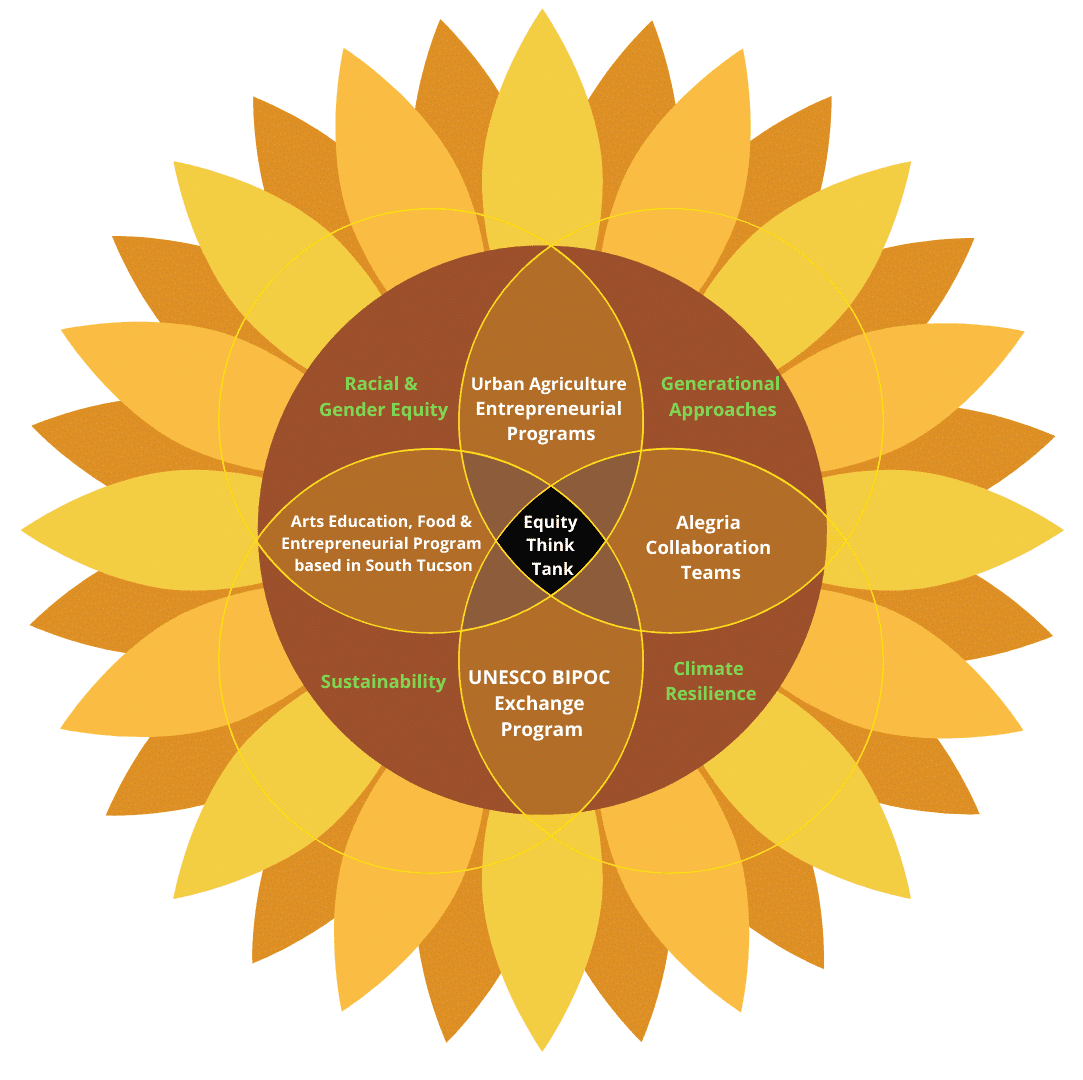
ALEGRIA (Advancing Livelihoods in Equity by Growing Resilience in Agriculture) is a regional project in Tucson, Arizona and its aim is to shifts the response to chronically under-resourced communities from safety nets to sustaining nets that are designed, built, and sustained by local families and organizations. Through codeveloped models, ALEGRIA advances work in five interlinked program areas which integrate: Racial & Gender Equity; Generational Approaches; Climate Resilience and Sustainability in an overarching framework.
ALEGRIA addresses broken and unhealthy food systems by co-creating community-based approaches using a “zero barriers to access” strategy. With a broad group of BIPOC and low-income partners, ALEGRIA will share strategies and ideas that are rooted in deep cultural practices and knowledge while leveraging modern technology and expertise to feed body, mind, and spirit.
ALEGRIA project’s team think that many of the solutions to the issues faced everyday by under-resourced communities lie with those individuals, organizations, and communities who represent those long-standing cultures and yet who live with food insecurity and racial inequities every day. To reach our purposes the participants will decide and demonstrate, generating the next level of knowledge that the City of Gastronomy of Tucson can build into their understanding and vision of a vibrant, healthy, and sustainable home.

FARMERS, RANCHERS AND GATHERERS OF THE SOUTHWEST (FRGSW)
This project seeks to strengthen the economic sustainability of local food business enterprises of farmers, ranchers, gatherers and artisanal food makers in the Southwest of the United States by providing marketing strategies and resources to increase their presence in new and existing markets with a producer-to-consumer online marketing platform and mobile application.
Farmers, Ranchers, Gatherers and Food Artisans will use the Creative Knowledge Platform, a portal designed to reinforce the value chains associated with local food production.
Landscape of Ingredients from the Mediterranean Sea to the Alps
In partnership with the Osservatorio UNESCO di Napoli and with the collaboration of teachers and students of the Hospitality High Schools of Napoli, Bergamo e Brescia, this project will highlight the strong bond that ties People, Products and Places and characterize a Landscape of Ingredients that extends from the Mediterranean Sea to the Alps.
The Creative Knowledge Platform will be used as a digital hub for organizing the information that teacher and students will collect (virtually) during the school year 2020-21 and preparing dedicated websites, booklets and an e-book to present the results of the project.
WHO WE ARE
OUR WORKS
GET INVOLVED
The Creative Knowledge Foundation is a US non-profit 501(c)(3).
Headquarters: 2660 E. Avenida de Pueblo, Tucson AZ 85718; Mailing address: PO Box 64538, Tucson AZ 85728
For more info visit our website or contact us
The Creative Knowledge Foundation is a US non-profit 501(c)(3).
Headquarters: 2660 E. Avenida de Pueblo, Tucson AZ 85718; Mailing address: PO Box 64538, Tucson AZ 85728
For more info visit our website or contact us